Boeing 707
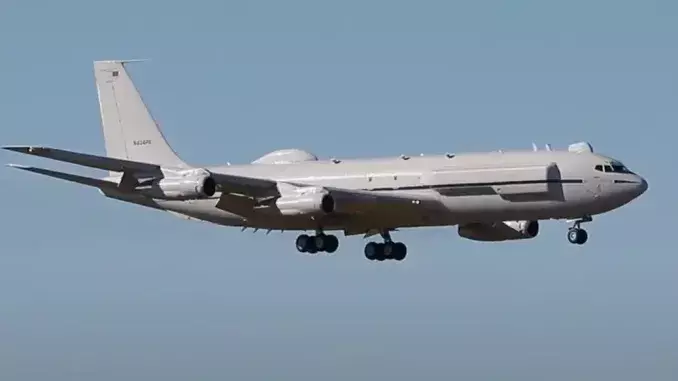
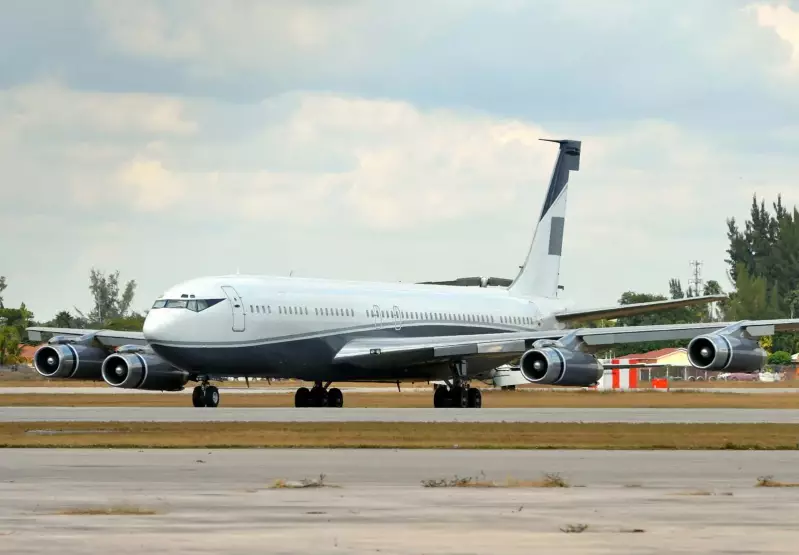
The Boeing 707 is a historic jetliner that played a crucial role in shaping the modern era of commercial aviation. Here are some key points about the Boeing 707:
-
Introduction: The Boeing 707 was introduced in the late 1950s and marked Boeing's entry into the commercial jet age. It was developed to meet the growing demand for faster and more efficient air travel.
-
First Flight: The prototype of the Boeing 707, known as the Boeing 367-80, made its maiden flight on July 15, 1954. The first commercial flight of the Boeing 707 took place in 1958 with Pan American World Airways.
-
Design and Features: The Boeing 707 was a four-engine, narrow-body jetliner with a distinctive swept-wing design. It could carry a significant number of passengers compared to the earlier propeller-driven aircraft.
-
Range and Performance: The Boeing 707 had an impressive range, making transatlantic and transpacific flights possible. It played a crucial role in making long-haul international air travel more accessible and efficient.
-
Success and Influence: The success of the Boeing 707 established Boeing as a major player in the commercial aviation industry. It also set the standard for subsequent jetliners and influenced the design of future Boeing aircraft.
-
Military Variants: In addition to its commercial success, the Boeing 707 had military variants, including the E-3 Sentry Airborne Warning and Control System (AWACS) and the KC-135 Stratotanker aerial refueling aircraft.
-
Legacy: While the Boeing 707 is no longer in widespread commercial service, its legacy continues. Its success paved the way for Boeing's continued dominance in the aviation industry, and its design principles influenced the development of subsequent jetliners.
The Boeing 707 played a crucial role in the transition from propeller-driven to jet-powered commercial aviation, leaving a lasting impact on the industry.
Boeing 717
The Boeing 717 is a twin-engine, single-aisle jet airliner that was originally developed by McDonnell Douglas before Boeing acquired McDonnell Douglas in 1997. Here are some key points about the Boeing 717:
-
Development: Originally known as the McDonnell Douglas MD-95, the aircraft was designed to be a modern and efficient successor to the McDonnell Douglas DC-9 series. The MD-95 program was later renamed Boeing 717 after Boeing's acquisition of McDonnell Douglas.
-
First Flight: The Boeing 717 made its first flight on September 2, 1998. However, the aircraft's commercial success was limited compared to other Boeing models.
-
Configuration: The Boeing 717 has a typical two-engine, single-aisle configuration with a capacity of around 100 passengers in a two-class layout. It is often used for short to medium-haul flights.
-
Range and Performance: The 717 has a relatively short range compared to some other Boeing models, making it suitable for regional and short-haul routes. It is known for its fuel efficiency and low operating costs.
-
Engines: The Boeing 717 is powered by two Rolls-Royce BR715 turbofan engines, which contribute to its fuel efficiency and performance.
-
Production and Sales: Production of the Boeing 717 was relatively limited, with a total of 156 aircraft built. The aircraft faced tough competition from other regional jet options, and production ceased in 2006.
-
Operators: Various airlines around the world have operated the Boeing 717, including QantasLink, Hawaiian Airlines, Delta Air Lines, and others. Some aircraft have also been converted for corporate or private use.
-
Legacy: While the Boeing 717 did not achieve the same level of commercial success as some other Boeing models, it remains in service with certain operators and is appreciated for its efficiency on shorter routes.
It's worth noting that the Boeing 717 is distinct from the larger Boeing 737 series, which is one of the most successful and widely used narrow-body jetliners in the world.


Boeing 727
The Boeing 727 is a historic trijet airliner that became one of the most successful and versatile aircraft in the history of commercial aviation. Here are some key points about the Boeing 727:
-
Development: The Boeing 727 was developed in the early 1960s to meet the demand for a short to medium-range jetliner capable of operating from shorter runways. It was designed as a trijet, featuring three engines for enhanced performance.
-
First Flight: The prototype Boeing 727-100 made its first flight on February 9, 1963. The aircraft entered commercial service with Eastern Air Lines in 1964.
-
Trijet Configuration: The Boeing 727 is known for its distinctive trijet configuration, with engines mounted on the rear fuselage. This design allowed for a T-tail configuration, providing better ground clearance for the engines.
-
Variants: The 727 had several variants, including the original 727-100, the stretched 727-200, and the 727-200 Advanced with improved engines and performance. The 727-100 typically seated around 130 passengers, while the 727-200 could accommodate more passengers.
-
Versatility: The Boeing 727 was known for its versatility and ability to operate from shorter runways, making it suitable for both major airports and smaller regional airports. It played a significant role in opening up air travel to a broader range of destinations.
-
Success: The Boeing 727 became one of the best-selling jetliners of its time. It was widely used by airlines around the world for both passenger and cargo operations.
-
Range and Performance: The 727 had a range that allowed it to operate on various routes, including short-haul domestic flights and longer international routes.
-
Freighter Conversion: Many Boeing 727s have been converted into freighters after their passenger service life. The aircraft's design and capabilities made it suitable for cargo transport.
-
Phased Out: While the Boeing 727 was highly successful, it eventually faced competition from newer, more fuel-efficient aircraft. The last commercial 727 passenger flight took place in 2019, marking the end of an era for this iconic trijet.
The Boeing 727 left a lasting legacy in the aviation industry, known for its reliability, versatility, and significant contributions to the expansion of air travel.

Boeing 737
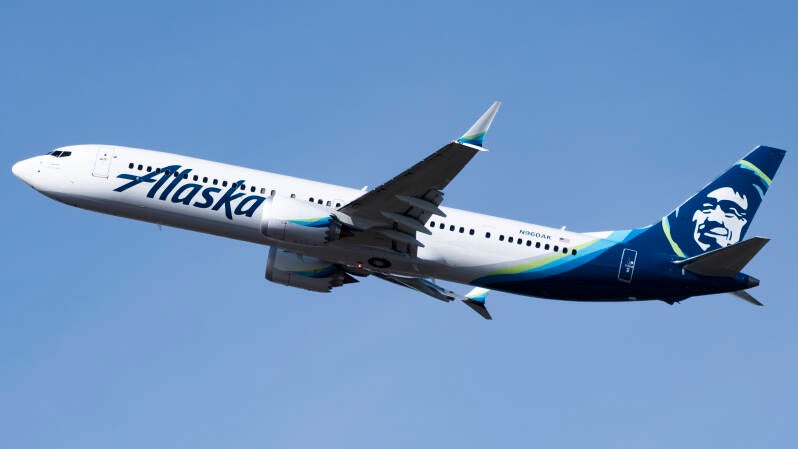
The Boeing 737 is one of the most successful and widely used narrow-body jetliners in the history of commercial aviation. Here are some key points about the Boeing 737:
-
Introduction: The Boeing 737 was introduced in 1968 as a short-to-medium-range, narrow-body jetliner. It was designed to be a successor to the Boeing 727 and to meet the growing demand for smaller, more fuel-efficient aircraft.
-
Variants: The 737 has undergone numerous variants and updates over the years. Major variants include the original 737-100 and 737-200, followed by the more successful 737-300, -400, and -500 series. The Next-Generation (NG) series, including the 737-600, -700, -800, and -900, followed. The latest series is the Boeing 737 MAX, including the MAX 7, MAX 8, MAX 9, and MAX 10.
-
Design Features: The 737 has a single-aisle, twin-engine design and typically accommodates between 85 and 230 passengers, depending on the variant. It has a reputation for fuel efficiency, reliability, and versatility.
-
737 MAX Series: The Boeing 737 MAX series features advanced technology, improved fuel efficiency, and updated aerodynamics. It incorporates new engines, the CFM International LEAP-1B, and includes enhancements to reduce operating costs.
-
Best-Selling Jetliner: The Boeing 737 is considered the best-selling commercial jetliner in history. It has been widely adopted by airlines globally for both short-haul and medium-haul routes.
-
Global Presence: The 737 is used by airlines of all sizes and serves a diverse range of routes, from short domestic flights to longer international journeys. It is a popular choice for low-cost carriers, major airlines, and regional operators.
-
Freighter Conversion: Some older 737 aircraft have been converted into freighters, providing cargo operators with a reliable and efficient narrow-body freighter option.
-
Production: Boeing has produced thousands of 737 aircraft since its introduction, and it continues to be a significant part of Boeing's commercial aircraft portfolio.
-
Challenges with the 737 MAX: The Boeing 737 MAX faced challenges related to safety concerns, leading to temporary groundings worldwide. Boeing has worked to address these issues, and the 737 MAX has returned to service with updated software and safety enhancements.
The Boeing 737 has played a pivotal role in shaping modern air travel, providing a reliable and adaptable platform for airlines around the world.
Boeing 747
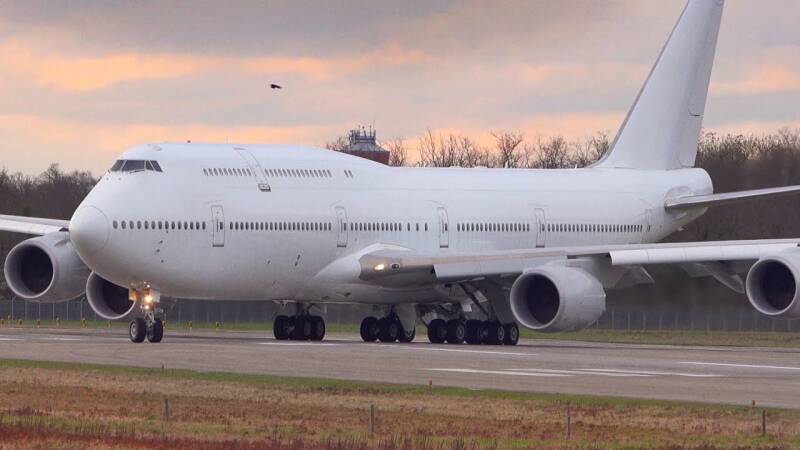
The Boeing 747, often referred to as the "Jumbo Jet," is one of the most iconic and recognizable aircraft in the history of aviation. Here are some key points about the Boeing 747:
-
Introduction: The Boeing 747 was introduced in 1970 and marked a significant milestone in the development of commercial aviation. It was designed to be a long-range, high-capacity airliner.
-
Design Features: The 747 is known for its distinctive hump on the upper deck, housing a spacious cockpit and additional passenger seating or crew rest areas. This design allowed for both a large cargo capacity in the lower deck and an elevated cockpit, providing enhanced visibility for pilots during takeoff and landing.
-
Capacity: The original Boeing 747-100 could carry around 366 passengers in a three-class configuration, but later variants, such as the 747-400, increased capacity to over 400 passengers. The aircraft has been used for various purposes, including passenger transport, cargo, and VIP configurations.
-
Cargo Operations: The 747 has been widely used as a freighter, with the ability to carry large and oversized cargo loads in its main deck. Cargo versions, such as the 747-400F, have played a crucial role in global air cargo transportation.
-
Longevity: The Boeing 747 has had a long and successful service life, with many airlines operating the aircraft for several decades. However, advancements in technology and the rise of more fuel-efficient twin-engine aircraft have led to a decline in its popularity for passenger operations.
-
Variants: The 747 has several variants, including the original 747-100, the 747SP (Special Performance) with a shorter fuselage for longer range, the 747-200, 747-300, 747-400, and the latest variant, the 747-8. The 747-8 features improved fuel efficiency, aerodynamics, and a longer fuselage.
-
Role as Air Force One: The United States government uses a specially configured Boeing 747 as Air Force One, the official aircraft of the President of the United States.
-
Cultural Impact: The Boeing 747 has had a significant cultural impact, symbolizing the golden age of air travel. Its large size and distinctive appearance have made it a favorite among aviation enthusiasts and the general public.
-
Production and Retirement: Boeing officially ended the production of the 747 passenger variant in 2020, with the last 747-8 destined for freighter operations. While newer aircraft have taken over its role in commercial passenger service, the 747 continues to be an integral part of the aviation landscape.
The Boeing 747 remains an iconic and beloved aircraft, leaving an indelible mark on the history of aviation.

Boeing 757
The Boeing 757 is a narrow-body, twin-engine jetliner known for its versatility and range. Here are some key points about the Boeing 757:
-
Introduction: The Boeing 757 was introduced in the early 1980s to fill the gap between the smaller Boeing 737 and the larger Boeing 767. It was designed for both domestic and international routes, offering airlines flexibility in terms of capacity and range.
-
Design Features: The 757 has a single-aisle configuration, with a capacity typically ranging from about 180 to 240 passengers in a two-class seating arrangement. It is known for its sleek, narrow fuselage and powerful engines.
-
Variants: The main variants of the Boeing 757 include the original 757-200 and the stretched 757-300. The 757-200 is more common and has been widely used for both short-haul and transatlantic flights. The 757-300 has a longer fuselage and increased seating capacity.
-
Range and Performance: The Boeing 757 is praised for its impressive range, making it suitable for both short-haul domestic flights and longer transatlantic routes. It has the ability to operate from airports with shorter runways, enhancing its versatility.
-
Engines: The 757 is powered by two high-bypass turbofan engines, often supplied by Rolls-Royce or Pratt & Whitney, depending on the airline's choice. These engines contribute to the aircraft's fuel efficiency and performance.
-
Cargo Variant: The Boeing 757 has a cargo variant known as the 757-200SF (Special Freighter), which has been converted for freighter operations. It has found use in cargo transportation for its ability to carry a significant payload over medium distances.
-
Market Success: While not as numerous as some other Boeing models, the 757 has been successful in its niche market. It became a popular choice for airlines seeking a versatile and efficient aircraft for various route lengths.
-
Production and Retirement: Boeing ceased the production of the 757 in 2004, and the last passenger-carrying 757 was delivered in 2005. However, many 757s remain in service with various airlines, and the aircraft has a reputation for reliability.
-
Replacement: As the 757 fleet ages, airlines have sought replacements. Boeing's proposed New Midsize Airplane (NMA) has been considered as a potential successor to the 757, addressing the demand for a similar-sized, modern, and fuel-efficient aircraft.
The Boeing 757, with its unique combination of range and capacity, has played a valuable role in the airline industry, serving a variety of routes and fulfilling the needs of both passengers and cargo operators.


Boeing767
The Boeing 767 is a versatile twin-engine jetliner known for its efficiency and adaptability. Here are some key points about the Boeing 767:
-
Introduction: The Boeing 767 was introduced in the early 1980s as a mid-size, wide-body twinjet. It was designed to offer a more fuel-efficient and economical option for airlines operating on medium to long-haul routes.
-
Design Features: The 767 has a wide-body fuselage and typically accommodates between 181 and 375 passengers, depending on the variant and seating configuration. It features a two-aisle configuration, distinguishing it from the narrower single-aisle Boeing 757.
-
Variants: The Boeing 767 has several variants, including the original 767-200, the extended-range 767-200ER, the larger 767-300, the extended-range 767-300ER, and the 767-400ER. Each variant offers different passenger capacities and ranges.
-
Cargo Variant: The Boeing 767 has been adapted for cargo operations with the introduction of the 767-300F. This freighter variant has found success in the air cargo industry due to its efficiency and payload capacity.
-
Tanker Variant: The Boeing 767 has a military application as well. The Boeing KC-46 Pegasus is a military aerial refueling and strategic transport aircraft based on the 767 airframe. It serves as the next-generation tanker for the U.S. Air Force.
-
Range and Performance: The 767 is capable of flying both short-haul and long-haul routes, making it adaptable to various airline needs. It has been utilized for transatlantic and transpacific flights, as well as domestic routes.
-
Engines: The 767 is typically powered by two high-bypass turbofan engines, with engine options from different manufacturers, including General Electric, Pratt & Whitney, and Rolls-Royce.
-
Market Success: The Boeing 767 has been successful in the market, especially as a wide-body twinjet offering efficiency and lower operating costs. It has been a popular choice for both passenger and cargo operations.
-
Future Developments: Boeing has considered developing a New Midsize Airplane (NMA) to replace the aging 767 and serve as a bridge between the single-aisle 737 and the larger 787 Dreamliner.
The Boeing 767 has played a crucial role in the aviation industry, serving a variety of purposes, including passenger travel, cargo transport, and military applications. Its adaptability and efficiency have contributed to its enduring popularity.

Boeing 777
The Boeing 777, often referred to as the "Triple Seven," is a long-range, wide-body twinjet known for its efficiency, range, and passenger comfort. Here are some key points about the Boeing 777:
-
Introduction: The Boeing 777 was introduced in the 1990s and marked a significant advancement in long-haul aviation. It was designed to cater to the demand for a larger-capacity aircraft that could cover long distances nonstop.
-
Design Features: The 777 has a twin-aisle configuration, offering a spacious interior and typically accommodating between 317 and 550 passengers, depending on the variant and seating configuration. Its distinctive features include large, efficient wings with raked wingtips.
-
Variants: The Boeing 777 has multiple variants, including the original 777-200, the longer-range 777-200ER, the larger 777-300, and the extended-range 777-300ER. The 777X series, featuring the 777-8 and 777-9, represents the latest generation with improved efficiency and capacity.
-
Range and Performance: The 777 is renowned for its impressive range, making it suitable for ultra-long-haul flights. It has become a popular choice for airlines operating on intercontinental routes, connecting major hubs worldwide.
-
Engines: The 777 is powered by two high-bypass turbofan engines, and airlines have the option to choose engines from different manufacturers, including General Electric, Pratt & Whitney, and Rolls-Royce.
-
Fuel Efficiency: The 777 is designed with advanced aerodynamics and lightweight materials to enhance fuel efficiency. It incorporates features like large, efficient wings and modern avionics systems to reduce operating costs.
-
Market Success: The Boeing 777 has been a commercial success, with widespread adoption by major airlines globally. It has become a workhorse for long-haul travel, connecting cities and continents efficiently.
-
Cargo Variant: The Boeing 777 has a freighter variant known as the 777F, designed specifically for air cargo operations. The 777F offers a high payload capacity and long-range capabilities for global freight transport.
-
Passenger Comfort: The 777 is recognized for its passenger-friendly features, including larger windows, higher ceilings, and quieter engines. Airlines often highlight the comfort of the 777's cabin layout.
-
777X Series: The 777X series, with the 777-8 and 777-9, builds on the success of the original 777. It features new technologies, including folding wingtips for airports with limited space and advanced aerodynamics for improved efficiency.
The Boeing 777 has become a flagship in long-haul aviation, setting standards for efficiency, passenger comfort, and range. It continues to be a popular choice for airlines operating on intercontinental routes, and the 777X series represents the latest evolution of this successful aircraft.


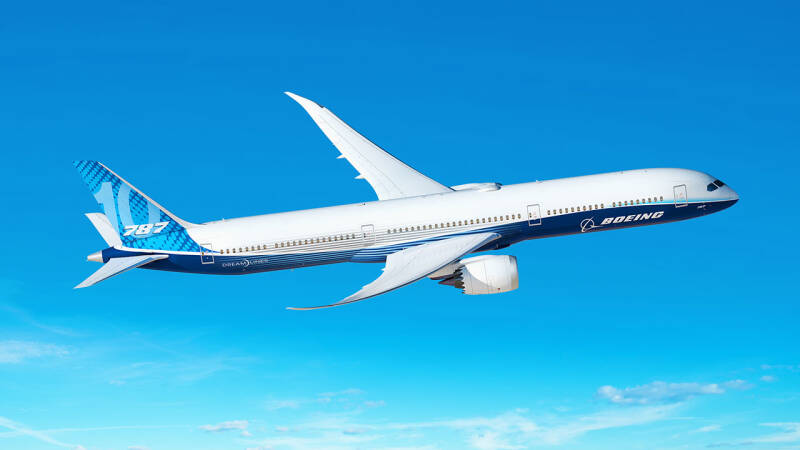
Boeing 787 Dreamliner
The Boeing 787 Dreamliner is a state-of-the-art, long-range, wide-body twinjet known for its fuel efficiency, advanced technology, and passenger comfort. Here are some key points about the Boeing 787:
-
Introduction: The Boeing 787 Dreamliner was introduced in 2011, representing a new era in commercial aviation. It was designed to be a more fuel-efficient and environmentally friendly aircraft compared to its predecessors.
-
Design Features: The 787 features a twin-aisle configuration, large windows, and a distinctive wing design with raked wingtips. Its composite materials make up a significant portion of the airframe, contributing to its lightweight and fuel-efficient design.
-
Variants: The Boeing 787 has two main variants, the 787-8 and the stretched 787-9. The 787-10, an extended version with increased passenger capacity, joined the lineup later. The 787-9 and 787-10 offer improved range and capacity compared to the original 787-8.
-
Passenger Capacity: The seating capacity of the Boeing 787 varies depending on the variant and the airline's chosen configuration, typically accommodating between 200 and 330 passengers.
-
Fuel Efficiency: The Dreamliner is designed for fuel efficiency, featuring advanced aerodynamics, lightweight materials, and efficient engines. The use of composite materials, such as carbon fiber-reinforced plastic, reduces weight and enhances fuel efficiency.
-
Range and Performance: The 787 is capable of flying long-haul routes, connecting distant cities with greater fuel efficiency. Its range allows for nonstop flights on routes that were previously not economically viable.
-
Engines: The 787 is powered by advanced, fuel-efficient engines, including options from Rolls-Royce (Trent 1000) and General Electric (GEnx).
-
Advanced Technology: The Dreamliner incorporates cutting-edge technology, including large, dimmable windows, advanced avionics, and improved in-flight entertainment systems. Its electrical systems utilize more electric power and reduce reliance on traditional pneumatic systems.
-
Composite Materials: The extensive use of composite materials in the construction of the Dreamliner contributes to its fuel efficiency and structural strength. The composite materials also allow for larger windows and improved cabin pressurization.
-
Operational Flexibility: The 787's design enables it to operate on a variety of routes, from short-haul to long-haul flights. It has opened up new possibilities for airlines to explore new routes and connect cities that were previously underserved.
-
Market Success: The Boeing 787 has been well-received by airlines and passengers alike, and it has become a popular choice for long-haul travel. Its success is attributed to its innovative design and the improved passenger experience it offers.
The Boeing 787 Dreamliner has had a significant impact on the aviation industry, setting new standards for efficiency, range, and passenger comfort. It continues to be a flagship aircraft for airlines around the world.
Opret din egen hjemmeside med Webador