Airbus A300
The Airbus A300 is a wide-body, twin-engine jet airliner that played a crucial role in the development of Airbus as a major aircraft manufacturer. Here are some key details about the A300:
-
Development and First Flight: The A300 was developed by Airbus as its first aircraft program. Its maiden flight occurred on October 28, 1972.
-
Wide-Body Design: The A300 was the first twin-engine wide-body aircraft in the world. Its wide-body design allowed for a spacious cabin and increased passenger capacity.
-
Seating Capacity: The original A300B2 model could accommodate around 228 passengers in a two-class configuration, making it suitable for medium to long-haul flights.
-
Range: The A300 had a range of approximately 2,500 nautical miles (4,630 km) in its initial versions, later extended with improved variants.
-
Innovations: The A300 introduced several innovations, including the extensive use of composite materials in its construction and a two-person flight deck, which reduced the crew workload.
-
Common Cockpit Design: The A300 featured a common cockpit design, enabling pilots to transition easily between the various models within the A300 family. This commonality contributed to operational efficiency for airlines.
-
Variants: The A300 had several variants, including the shorter A300B4, the longer-range A300-600, and the freighter version known as the A300-600ST Beluga, which was specially designed to transport oversized cargo.
-
Commercial Success: The A300 was commercially successful and became a popular choice for airlines around the world. Its success laid the foundation for Airbus to establish itself as a major competitor in the global aviation industry.
-
Production and Retirement: The production of the A300 ceased in 2007 after producing various models over several decades. Many A300 aircraft have since been retired from passenger service, but some continue to operate as freighters.
-
Legacy: The A300's success marked the beginning of Airbus's influence in the aviation market. It demonstrated the feasibility of long-haul twin-engine flights and paved the way for subsequent Airbus aircraft, including the A310, A320, and the entire A320 family.
The A300's legacy as a pioneer in wide-body twin-engine aircraft design has left a lasting impact on the aviation industry, and its contributions are still felt today in the continued success of Airbus.


Airbus A310
The Airbus A310 is a medium- to long-range, twin-engine wide-body airliner that was developed as a smaller and shorter-range counterpart to the Airbus A300. Here are some key details about the A310:
-
Development and First Flight: The A310 was developed by Airbus and made its first flight on April 3, 1982. It was designed to meet the demand for a smaller wide-body aircraft for both passenger and cargo operations.
-
Seating Capacity: The typical seating capacity of the A310 varies depending on the configuration. In a two-class layout, it could accommodate around 200 passengers, while in a high-density configuration, it could carry up to 280 passengers.
-
Range: The A310 had a range of approximately 4,000 nautical miles (7,400 km) in its initial versions, making it suitable for medium to long-haul routes.
-
Commonality with A300: The A310 shares commonality with the larger A300, allowing for similarities in cockpit design, systems, and maintenance procedures. This commonality provided operational advantages for airlines operating both A300 and A310 aircraft.
-
Freighter Version: Airbus introduced a freighter version of the A310, known as the A310-300F, which was adapted for cargo transport. This variant became popular for cargo operators around the world.
-
Engines: The A310 was powered by either General Electric CF6 or Pratt & Whitney JT9D engines, depending on the customer's choice.
-
Upgraded Versions: Airbus later introduced upgraded versions, including the A310-200 and A310-300. The A310-200 had a shorter fuselage than the -300, resulting in reduced passenger capacity but increased range.
-
Production and Retirement: The production of the A310 concluded in 1998 after the manufacture of various models. Many A310 aircraft have since been retired from passenger service, but some continue to operate in cargo and military roles.
-
Military and Multi-role Use: Some A310 aircraft have been adapted for military and multi-role purposes. They have been used for tasks such as aerial refueling, reconnaissance, and troop transport.
-
Legacy: The A310 played a significant role in Airbus's expansion and success in the aviation industry. While it may no longer be in widespread passenger service, its legacy lives on, and it remains an important part of Airbus's history.
The A310's versatility and capabilities have made it a valuable asset for a variety of operators, including airlines, cargo carriers, and military forces.


Airbus A318
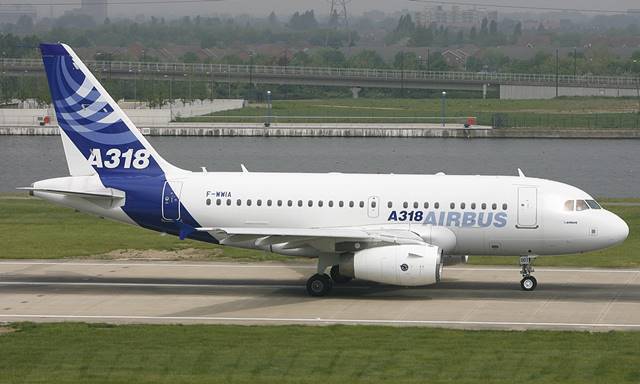
The Airbus A318 is a small, short-range commercial aircraft designed for regional and low-capacity routes. Here are some key details about the A318:
-
Development and First Flight: The A318 was developed by Airbus to meet the demand for smaller and more fuel-efficient aircraft. Its first flight took place on January 15, 2002.
-
Seating Capacity: The typical seating capacity of the A318 is around 107 passengers in a two-class configuration (business and economy) or up to 136 passengers in a high-density layout.
-
Range: The A318 has a range of approximately 3,100 nautical miles (5,700 km), making it suitable for short to medium-haul flights. This range allows it to connect city pairs that may not be economically viable for larger aircraft.
-
Commonality with A320 Family: The A318 shares commonality with the other members of the Airbus A320 family, including the A319, A320, and A321. This commonality allows airlines to benefit from similarities in cockpit layouts, systems, and maintenance procedures, reducing training and operational costs.
-
Short Fuselage: One distinctive feature of the A318 is its relatively short fuselage, making it well-suited for operations at airports with limited infrastructure or shorter runways.
-
Engines: The A318 is powered by two engines, typically either CFM International CFM56 or Pratt & Whitney PW6000 engines, depending on the customer's choice.
-
Commercial Performance: Despite its capabilities, the A318 has not been as commercially successful as its larger siblings within the A320 family. Airlines have often preferred larger variants like the A320 or A321 for better cost efficiency.
-
Production: Production of new A318s has slowed down over the years, and as of my last knowledge update in January 2022, there might not be active production lines for the A318.
The A318 has played a role in providing airlines with flexibility for niche markets and routes with lower passenger demand.


Airbus A319
The Airbus A319 is a member of the Airbus A320 family, which also includes the A318, A320, and A321. Here are some key details about the A319:
-
Development and First Flight: The A319 is a shortened version of the A320, designed to accommodate fewer passengers and fly on shorter routes. It made its first flight on August 25, 1995.
-
Seating Capacity: The typical seating capacity of the A319 is around 124 passengers in a two-class configuration (business and economy) or up to 156 passengers in a high-density layout.
-
Range: The A319 has a range of approximately 3,700 nautical miles (6,850 km), making it suitable for short to medium-haul flights.
-
Commonality with A320 Family: Like other members of the A320 family, the A319 shares commonality in terms of cockpit layouts, systems, and maintenance procedures. This allows airlines to benefit from operational efficiencies and cost savings.
-
Engines: The A319 is typically powered by CFM International CFM56 or International Aero Engines V2500 engines, depending on the customer's preference.
-
Flexibility: The A319 is known for its flexibility, allowing airlines to operate it on various routes, including those with lower passenger demand or shorter runways.
-
Commercial Success: The A319 has been commercially successful, with many airlines around the world incorporating it into their fleets. It offers a balance between capacity and range, making it versatile for different operational needs.
-
Upgraded Versions: Airbus has introduced enhanced versions of the A319, such as the A319neo (new engine option), incorporating more fuel-efficient engines and improved aerodynamics.
-
Production: As of my last knowledge update in January 2022, the production of the A319 was ongoing, with airlines continuing to order and operate this aircraft model.
Overall, the A319 has been a popular choice for airlines seeking a reliable and versatile narrow-body aircraft for various regional and medium-haul routes.


Airbus A320
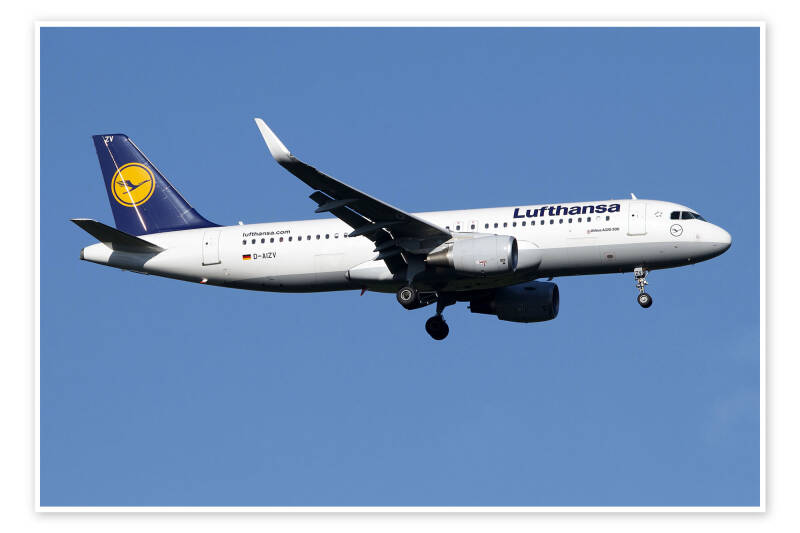
The Airbus A320 is a widely used narrow-body, single-aisle commercial aircraft known for its fuel efficiency, advanced technology, and versatility. Here are some key details about the A320:
-
Development and First Flight: The A320 was developed by Airbus as a part of the A320 family and made its first flight on February 22, 1987.
-
Seating Capacity: The typical seating capacity of the A320 is around 140 passengers in a two-class configuration (business and economy) or up to 240 passengers in a high-density layout.
-
Range: The A320 has a range of approximately 3,300 nautical miles (6,112 km), making it suitable for short to medium-haul flights.
-
Fly-By-Wire Technology: One of the notable features of the A320 is its extensive use of fly-by-wire technology. Instead of traditional mechanical controls, the A320 uses an electronic interface to transmit pilot commands to the aircraft's control surfaces.
-
Commonality within A320 Family: The A320 shares commonality in terms of cockpit layouts, systems, and maintenance procedures with other members of the A320 family, including the A318, A319, and A321. This commonality allows airlines to benefit from operational efficiencies and cost savings.
-
Efficient Engines: The A320 is powered by either CFM International CFM56 or International Aero Engines V2500 engines, depending on the customer's choice. The efficient engines contribute to the aircraft's fuel efficiency.
-
Neo (New Engine Option): Airbus introduced the A320neo, a more fuel-efficient version with improved engines, winglets, and other aerodynamic enhancements. The A320neo offers increased fuel efficiency and reduced environmental impact.
-
Commercial Success: The A320 has been a commercial success, becoming one of the best-selling aircraft in the world. Airlines of various sizes and regions operate the A320 for a wide range of routes.
-
Production: As of my last knowledge update in January 2022, the production of the A320 was ongoing, with continuous orders from airlines worldwide.
The A320's combination of efficiency, technology, and versatility has made it a popular choice for airlines seeking a reliable and economical solution for short to medium-haul travel.

Airbus A321
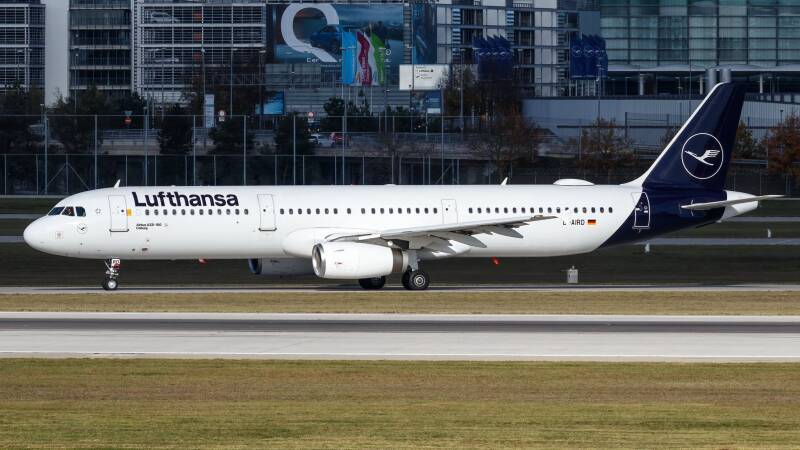
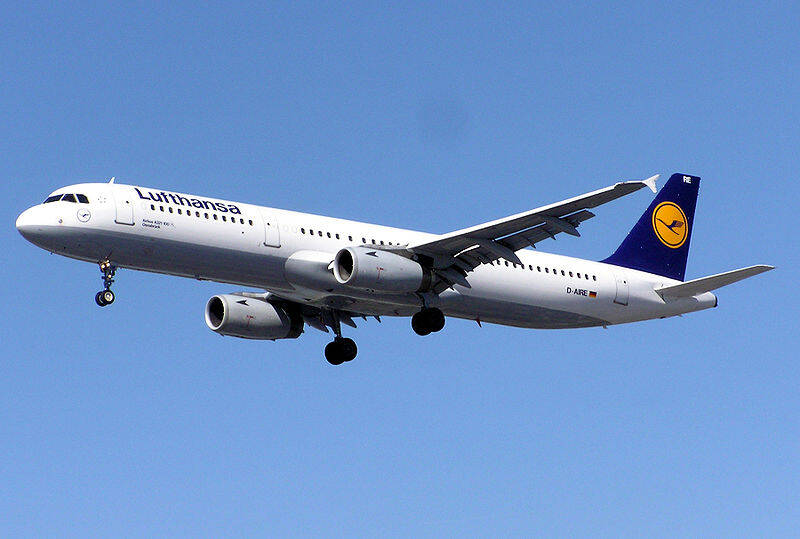
The Airbus A321 is a stretched version of the A320 and is part of the A320 family of narrow-body, single-aisle commercial aircraft. Here are some key details about the A321:
-
Development and First Flight: The A321 was developed by Airbus to meet the demand for a larger capacity variant of the A320. Its first flight took place on March 11, 1993.
-
Seating Capacity: The typical seating capacity of the A321 is around 185 passengers in a two-class configuration (business and economy) or up to 240 passengers in a high-density layout. It can accommodate more passengers compared to the A320.
-
Range: The A321 has a range of approximately 3,300 nautical miles (6,112 km), making it suitable for medium-haul flights.
-
Stretching of Fuselage: The A321 features a stretched fuselage compared to the A320, with additional fuselage sections forward and aft of the wings. This allows for increased seating capacity.
-
Commonality within A320 Family: Like other members of the A320 family, the A321 shares commonality in terms of cockpit layouts, systems, and maintenance procedures. This commonality allows for operational efficiencies and cost savings.
-
Variants: Airbus has introduced various variants of the A321, including the A321neo (new engine option), which features more fuel-efficient engines, improved aerodynamics, and other enhancements for increased efficiency and reduced environmental impact.
-
Market Popularity: The A321 has gained popularity among airlines for its versatility in serving both short-haul and medium-haul routes. It is well-suited for markets with high passenger demand.
-
Extended Range Versions: Airbus has also developed extended-range versions of the A321, such as the A321XLR (Extra Long Range), which offers even greater range capabilities, making it suitable for longer transatlantic flights.
-
Production: As of my last knowledge update in January 2022, the production of the A321 was ongoing, with continuous orders from airlines worldwide.
The A321 has become a preferred choice for airlines looking to optimize capacity on routes with varying passenger demand while maintaining operational efficiency and commonality with other A320 family aircraft.
Airbus A330
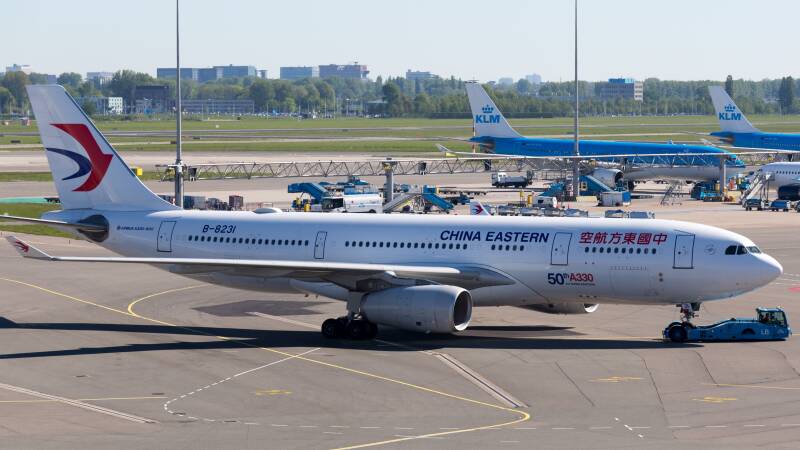
The Airbus A330 is a twin-engine, wide-body airliner that has gained popularity for its versatility, efficiency, and range. Here are some key details about the A330:
-
Development and First Flight: The A330 was developed by Airbus as a twin-engine counterpart to the four-engine A340. It made its first flight on November 2, 1992.
-
Seating Capacity: The seating capacity of the A330 varies depending on the model and configuration. In a typical two-class layout, it can accommodate around 253 passengers, while in a high-density configuration, it can carry more passengers.
-
Range: The A330 has a range of approximately 6,350 nautical miles (11,750 km) for the standard A330-300 model. Extended-range versions, such as the A330-200 and A330-900neo, offer increased range capabilities.
-
Versions: Airbus has produced several versions of the A330, including the A330-200, A330-300, and the more recent A330neo (new engine option). The A330neo features improved engines, aerodynamics, and other enhancements for increased fuel efficiency.
-
Commonality with A340: The A330 shares commonality with the larger A340, allowing for similarities in cockpit design, systems, and maintenance procedures. This commonality provides operational advantages for airlines operating both A330 and A340 aircraft.
-
Wide-Body Design: The A330's wide-body design provides spacious cabins, making it suitable for long-haul flights with passenger comfort in mind.
-
Engines: The A330 is powered by Rolls-Royce Trent, Pratt & Whitney PW4000, or General Electric CF6 engines, depending on the customer's choice.
-
Freighter Version: Airbus developed a freighter version of the A330, known as the A330-200F, designed for cargo transport. It offers a large cargo capacity and has been used by cargo operators worldwide.
-
Market Success: The A330 has been commercially successful, with numerous airlines incorporating it into their fleets for a variety of long-haul routes.
-
Military Applications: In addition to its commercial success, the A330 has been adapted for military applications, such as aerial refueling tankers and transport aircraft.
-
Production: As of my last knowledge update in January 2022, the production of the A330, including the A330neo, was ongoing, with airlines continuing to order and operate this aircraft model.
The A330's combination of efficiency, range, and flexibility has made it a popular choice for airlines seeking a reliable and cost-effective solution for long-haul travel.

Airbus A340
The Airbus A340 is a four-engine, wide-body airliner that was developed by Airbus to provide long-haul capability with extended range and high passenger capacity. Here are some key details about the A340:
-
Development and First Flight: The A340 was developed by Airbus as part of its wide-body aircraft family and made its first flight on October 25, 1991.
-
Four-Engine Design: The A340 features a four-engine configuration, distinguishing it from the twin-engine A330. The four-engine design was chosen to provide the necessary thrust for long-haul flights and operations in areas with limited diversion airports.
-
Seating Capacity: The seating capacity of the A340 varies depending on the model and configuration. In a typical two-class layout, it can accommodate around 240 to 380 passengers, while in a high-density configuration, it can carry more passengers.
-
Range: The A340 has a range of approximately 7,400 to 9,000 nautical miles (13,700 to 16,700 km), depending on the model and specific variant. It is designed for long-haul and ultra-long-haul routes.
-
Versions: Airbus produced several versions of the A340, including the A340-200, A340-300, A340-500, and A340-600. Each version has different ranges and passenger capacities.
-
Commonality with A330: The A340 shares commonality with the A330, allowing for similarities in cockpit design, systems, and maintenance procedures. This commonality provides operational advantages for airlines operating both A330 and A340 aircraft.
-
Engines: The A340 was powered by four engines, typically Rolls-Royce Trent, CFM International CFM56, or Pratt & Whitney PW4000 engines, depending on the customer's choice.
-
Ultra-Long-Range Variant: The A340-500 is known for its ultra-long-range capabilities, making it suitable for non-stop flights on some of the world's longest routes.
-
Market Transition: While the A340 was initially successful, advances in twin-engine technology led to a decline in demand for four-engine aircraft. As a result, Airbus ceased production of the A340 in 2011.
-
Retirement: Many A340 aircraft have been retired from passenger service, and some have been converted for special roles, such as VIP transport or military applications.
-
Legacy: The A340 played a significant role in providing long-haul capabilities and connecting distant destinations. While it may no longer be in widespread passenger service, it remains a part of aviation history.
The A340's legacy includes its contribution to long-haul aviation and the development of extended-range capabilities in the Airbus product lineup.


Airbus A350
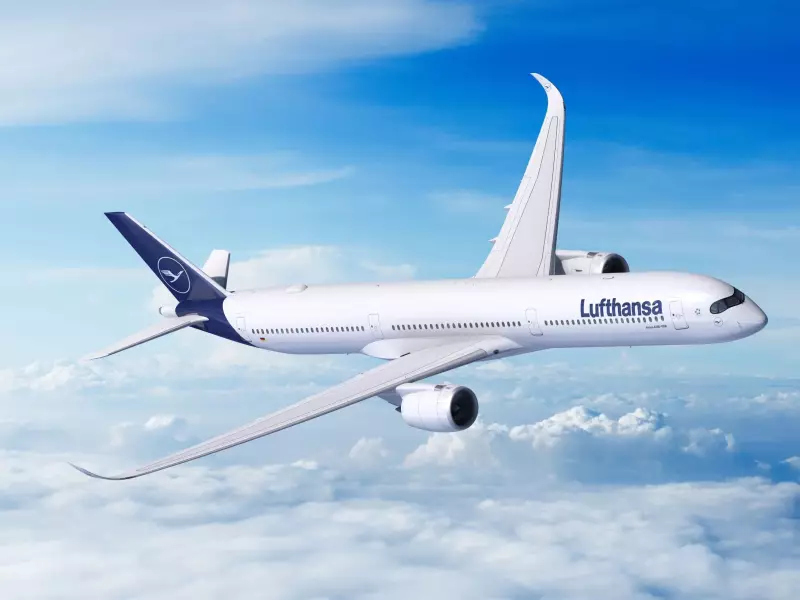
The Airbus A350 XWB (Xtra Wide-Body) is a long-range, twin-engine wide-body airliner that represents Airbus's response to the demand for fuel efficiency, passenger comfort, and advanced technology. Here are some key details about the A350:
-
Development and First Flight: The A350 XWB was developed by Airbus to compete with the Boeing 787 Dreamliner and the Boeing 777. Its first flight took place on June 14, 2013.
-
Variants: The A350 XWB comes in different variants, including the A350-900 and the larger A350-1000. The A350-900 typically accommodates around 325 passengers in a three-class configuration, while the A350-1000 can carry approximately 440 passengers.
-
Range: The A350-900 has a range of approximately 8,000 nautical miles (14,800 km), making it suitable for long-haul routes. The A350-1000 has an extended range of around 8,700 nautical miles (16,112 km).
-
Advanced Materials: The A350 XWB incorporates advanced materials, such as carbon-fiber-reinforced composites, in its fuselage and wings. This lightweight construction contributes to improved fuel efficiency and reduced environmental impact.
-
Wider Cabin: The "Xtra Wide-Body" designation of the A350 reflects its wider fuselage, providing passengers with more space and comfort. The cabin design aims to enhance the overall passenger experience.
-
Efficient Engines: The A350 is powered by Rolls-Royce Trent XWB or Pratt & Whitney PW1000G engines, depending on the customer's choice. These engines contribute to the aircraft's fuel efficiency and environmental performance.
-
Advanced Avionics: The A350 features state-of-the-art avionics and flight control systems, including a modern glass cockpit and fly-by-wire technology. These systems enhance safety, reliability, and ease of operation for the flight crew.
-
Commonality with A330neo: The A350 shares some commonality with the A330neo, allowing for operational synergies and cost savings for airlines operating both aircraft types.
-
Enhanced Passenger Experience: The A350 is designed to offer an enhanced passenger experience with larger windows, quieter engines, and improved air quality. The aircraft's interior aims to reduce passenger fatigue on long-haul flights.
-
A350-ULR (Ultra Long Range): Airbus introduced the A350-ULR variant, specifically designed for ultra-long-range flights. It has the capability to fly non-stop on some of the world's longest routes.
-
Fuel Efficiency: The A350 XWB is known for its high fuel efficiency and reduced carbon emissions, contributing to environmental sustainability.
-
Production and Delivery: As of my last knowledge update in January 2022, production and deliveries of the A350 XWB were ongoing, with various airlines around the world operating or having orders for this advanced wide-body aircraft.
The Airbus A350 XWB represents a significant milestone in the aviation industry, showcasing advanced technology, fuel efficiency, and passenger-centric design. It has become a popular choice for long-haul operators seeking a modern and efficient wide-body aircraft.

Airbus A380 ( King of the sky )
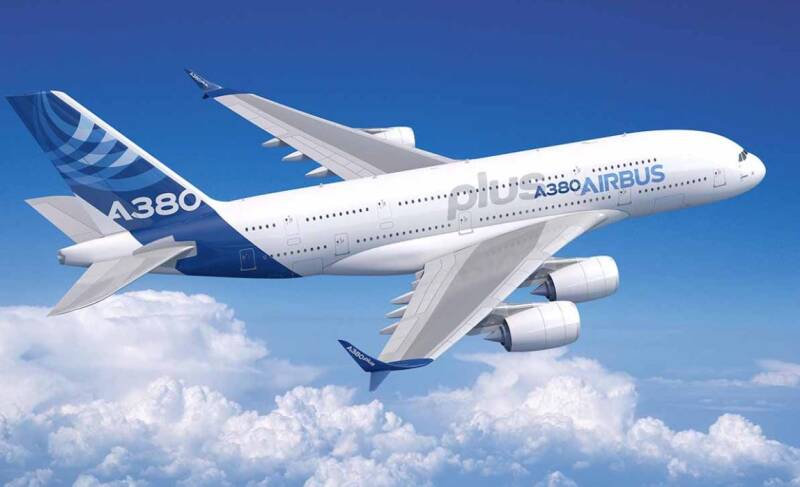
The Airbus A380 is a double-deck, wide-body, four-engine airliner that stands as the world's largest passenger aircraft. Here are some key details about the A380:
-
Development and First Flight: The A380 was developed by Airbus to meet the demand for increased passenger capacity on high-density routes. Its first flight took place on April 27, 2005.
-
Capacity: The typical seating capacity of the A380 varies depending on the configuration, but it can accommodate around 555 passengers in a three-class layout or up to 853 passengers in a high-density configuration.
-
Double-Deck Design: One of the most distinctive features of the A380 is its double-deck design, providing more usable cabin space and allowing for a spacious interior.
-
Range: The A380 has a range of approximately 8,000 nautical miles (14,800 km), making it suitable for long-haul routes, including some of the world's busiest and congested air travel corridors.
-
Efficient Engines: The A380 is powered by four Rolls-Royce Trent 900 or Engine Alliance GP7200 engines, depending on the customer's choice. These engines are designed for fuel efficiency and reduced environmental impact.
-
Advanced Avionics: The A380 features advanced avionics and fly-by-wire technology, enhancing safety, control, and ease of operation for the flight crew.
-
Quiet Operations: Despite its size, the A380 is known for its relatively quiet operations, incorporating advanced noise reduction technologies.
-
Emphasis on Comfort: The A380's design places a strong emphasis on passenger comfort, with features like larger windows, quieter engines, and improved cabin pressure to reduce fatigue during long flights.
-
Versatility: The A380 is suitable for both hub-to-hub and point-to-point operations, allowing airlines to use it on various routes based on passenger demand.
-
Challenges and Market Dynamics: While the A380 was initially anticipated to revolutionize air travel, changing market dynamics and the rise of more fuel-efficient twin-engine aircraft led to challenges in sales. Airbus announced the end of A380 production in 2019.
-
Cargo Version: Airbus considered developing a cargo version of the A380, known as the A380F, but the program was canceled due to insufficient demand.
-
Legacy: The A380 has left a significant mark on the aviation industry as a symbol of innovation and the pursuit of increased passenger capacity. While its production has ceased, it continues to operate with several airlines globally.
The Airbus A380 remains an iconic aircraft, offering a unique and spacious flying experience for passengers and challenging the industry with its size and capabilities.

Airbus Beluga ( Cargo plane )
The Airbus Beluga is a family of large cargo aircraft developed and operated by Airbus to transport oversized aircraft components and other large cargo items between Airbus production facilities. Here are some key details about the Airbus Beluga:
-
Development and Purpose: The Airbus Beluga, officially known as the Airbus A300-600ST (Super Transporter), was developed by modifying existing Airbus A300-600 aircraft to serve as cargo transporters. The primary purpose of the Beluga fleet is to transport oversized and awkwardly shaped aircraft components, including wings and fuselage sections, between Airbus production sites.
-
Distinctive Design: The Beluga has a highly distinctive appearance, characterized by its bulbous fuselage, hump-like upper deck, and oversized cargo bay. The aircraft's design allows it to carry large and cumbersome cargo items that would not fit in traditional cargo aircraft.
-
Cargo Capacity: The Beluga has a significant cargo capacity, with a main cargo compartment that can accommodate cargo items with dimensions of up to 45 meters in length and a maximum diameter of 8 meters. The aircraft's unique shape provides ample space for transporting Airbus aircraft components.
-
Operational Routes: The Beluga fleet operates dedicated routes primarily within Europe, connecting Airbus production sites in locations such as Toulouse (France), Hamburg (Germany), and Broughton (United Kingdom). The aircraft plays a crucial role in the Airbus production process by facilitating the timely delivery of components between different assembly plants.
-
BelugaXL: In addition to the original Beluga (A300-600ST), Airbus introduced an enhanced version called the BelugaXL. The BelugaXL features a larger cargo capacity and an even more distinctive design, resembling a smiling beluga whale, with eyes and a mouth painted on the front of the aircraft.
-
Engines: The Beluga is powered by General Electric CF6-80C2 engines, providing the necessary thrust for transporting heavy and oversized cargo loads.
-
Enhancements for BelugaXL: The BelugaXL incorporates various enhancements, including a modified cockpit and the use of the larger Airbus A330 as the donor aircraft. These modifications allow for increased cargo capacity and improved operational efficiency.
-
Critical Role in Airbus Production: The Beluga fleet plays a critical role in Airbus's production strategy, ensuring the timely and efficient transport of aircraft components between different manufacturing sites. This contributes to the overall efficiency of Airbus's aircraft assembly process.
-
Special Liveries: The Beluga fleet often features special paint schemes or liveries, with creative designs that highlight the aircraft's unique role and playful appearance.
The Airbus Beluga and BelugaXL serve as essential elements in Airbus's logistical chain, enabling the seamless assembly of large aircraft by transporting components between different production facilities.


Opret din egen hjemmeside med Webador